• Facebook
  • X
  • Home
  • Articles
  • Briefs
  • Videos
  • Contributors
EMS Airway
  • Home
  • Articles
  • Briefs
  • Videos
  • Contributors
Select Page
Friday Night Lights: Shift 23 – The Disconnect

Friday Night Lights: Shift 23 – The Disconnect

by Chris Kroboth, MS, FP-C | Aug 7, 2026 | Articles, Featured Articles

Recognize pulmonary embolism clues in patients through capnography, tachypnea, hypoxia, risk factors, and clear prehospital assessment.

Why Paramedic Airway Performance Varies: What EMS Leaders Can Learn from a Qualitative Study

Why Paramedic Airway Performance Varies: What EMS Leaders Can Learn from a Qualitative Study

by Ronald Rivers, DM, MBA | Jul 24, 2026 | Articles, Featured Articles

A qualitative study identifies key influences on paramedic endotracheal intubation performance, including declining clinical exposure.

Through a Different Lens: A Perspective on Airway QA

Through a Different Lens: A Perspective on Airway QA

by Cody Winniford, BA, EMT-P, CCP-C, FP-C | Jul 17, 2026 | Articles, Featured Articles

Airway QA improves when medics use data, video review, and performance standards to evaluate intubation safety beyond outcomes.

Friday Night Lights: Shift 22: Slow and Steady Isn’t Always a Good Thing

Friday Night Lights: Shift 22: Slow and Steady Isn’t Always a Good Thing

by Chris Kroboth, MS, FP-C | Jul 6, 2026 | Articles, Featured Articles

A 29-year-old’s opioid overdose reveals why a normal capnography waveform and high EtCO₂ signal dangerous hypoventilation.

The Airway Gap: Why Paramedics Lose Intubation Skills and How to Fix It

The Airway Gap: Why Paramedics Lose Intubation Skills and How to Fix It

by Dr. Ronald Rivers, DM, MBA | Jun 29, 2026 | Articles, Featured Articles

Paramedics face challenges in maintaining proficiency in endotracheal intubation due to low-frequency practice and skill decay.

Again With the Airway Burns?

Again With the Airway Burns?

by Cody Winniford, BA, EMT-P, CCP-C, FP-C | Jun 26, 2026 | Articles, Featured Articles

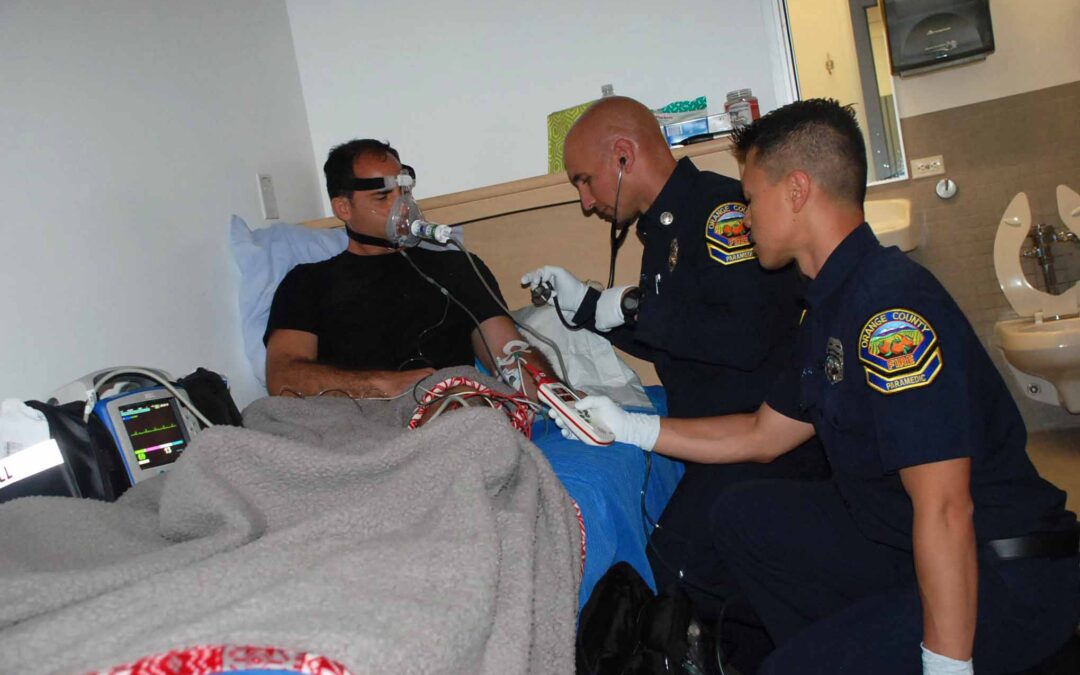
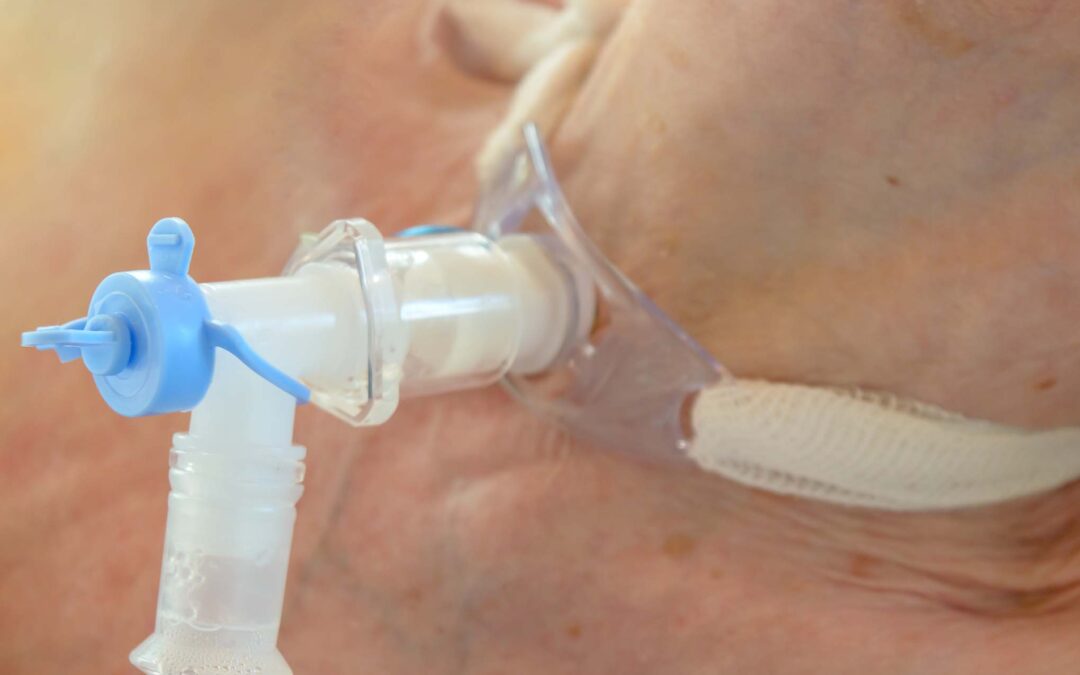
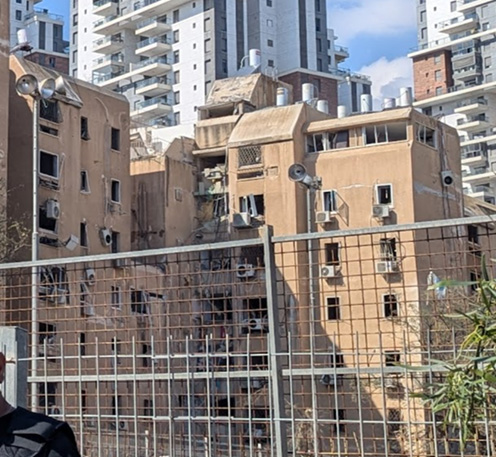
Here’s how burns, acute respiratory distress syndrome, carbon monoxide, and cyanide poisoning can cause life-threatening hypoxia in patients.

« Older Entries

Learn more about Intersurgical Airway Management and Respiratory Devices

Name(Required)
ZIP(Required)
What best describes your role for purchasing products or services?(Required)

Recent Posts

  • Friday Night Lights: Shift 23 – The Disconnect
  • Why Paramedic Airway Performance Varies: What EMS Leaders Can Learn from a Qualitative Study
  • Through a Different Lens: A Perspective on Airway QA
  • Friday Night Lights: Shift 22: Slow and Steady Isn’t Always a Good Thing
  • The Airway Gap: Why Paramedics Lose Intubation Skills and How to Fix It

Recent Comments

  • Brian on The Airway Gap: Why Paramedics Lose Intubation Skills and How to Fix It
  • Andrew Peace on Intubation as a Failure State
  • Mike Liddick on Friday Night Lights: Shift 21 – To Pop Or Not to Pop, That Is the Question
  • Mike Liddick on Friday Night Lights: Shift 20—The Silent Retainer
  • Jacob Vinzant on Intubation as a Failure State

Popular Topics

airway management | bag-valve-mask | BiPAP | capnography | CPAP | CPR | EMS Training | ETCO2 | Intubation | Ventilation | Oxygen | Patient Care | Peep
EMS Airway
  • Home
  • Articles
  • Briefs
  • Videos
  • Contributors
  • Facebook
  • X
Copyright © 2026: Clarion Events. All Rights Reserved. Privacy Policy | Code of Conduct
Cookie Policy