
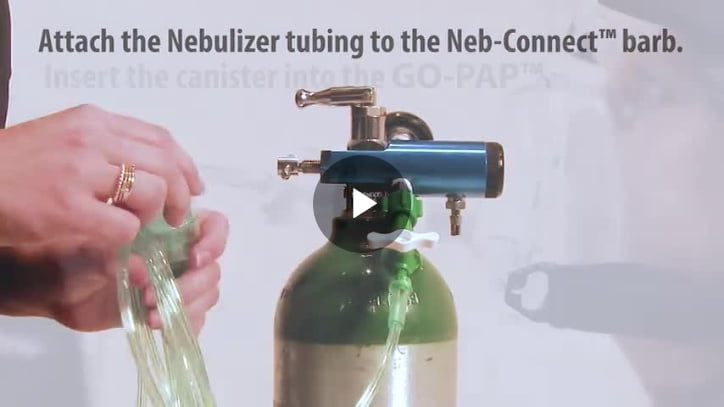
Press Release: Pulmodyne Acquiring Innovative Products
Steve Islava -Firefighter/Paramedic, to Provide Innovative Products to Pulmodyne®, a Medical Device Manufacturer Based in Indianapolis, Indiana
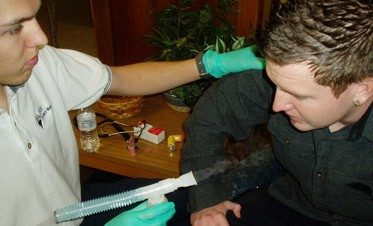
Common Conditions Misdiagnosed as Asthma
By Dennis Edgerly, EMT-P | Paramedic Education Coordinator
As you enter the house your patient looks at you anxiously. He’s sitting upright, leaning forward. You note circumoral cyanosis and obvious respiratory distress as he attempts to speak. As you approach, you place him on oxygen with no relief. Upon auscultation of his chest, you note wheezing throughout his lung fields. You and your partner begin to administer a common bronchodilator albuterol when you remember — all that wheezes is not asthma.
Prehospital cricothyrotomies in a helicopter emergency medical service: analysis of 19,382 dispatches
Creating a patent airway by cricothyrotomy is the ultimate maneuver to allow oxygenation (and ventilation) of the patient. Given the rarity of airway management catastrophes necessitating cricothyrotomy, sufficiently sized prospective randomized trials are difficult to perform. Our Helicopter Emergency Medical Service (HEMS) documents all cases electronically, allowing a retrospective analysis of a larger database for all cases of prehospital cricothyrotomy.
Mortality Reducing Effect of Rehabilitation for COPD
This large nationwide cohort study showed that rehabilitation indeed contributed to a reduction of in-hospital mortality. These findings underscore the importance of adopting rehabilitation as part of the treatment of COPD.
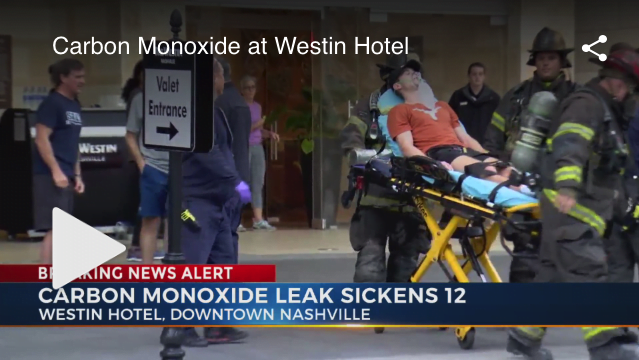
14 Treated for Carbon Monoxide Exposure at Downtown Nashville Hotel
Crews with the Nashville Fire Department were called to the Westin Nashville in downtown Wednesday morning for a carbon monoxide incident. The leak was reported around 6:45 a.m. at the hotel on Clark Place.
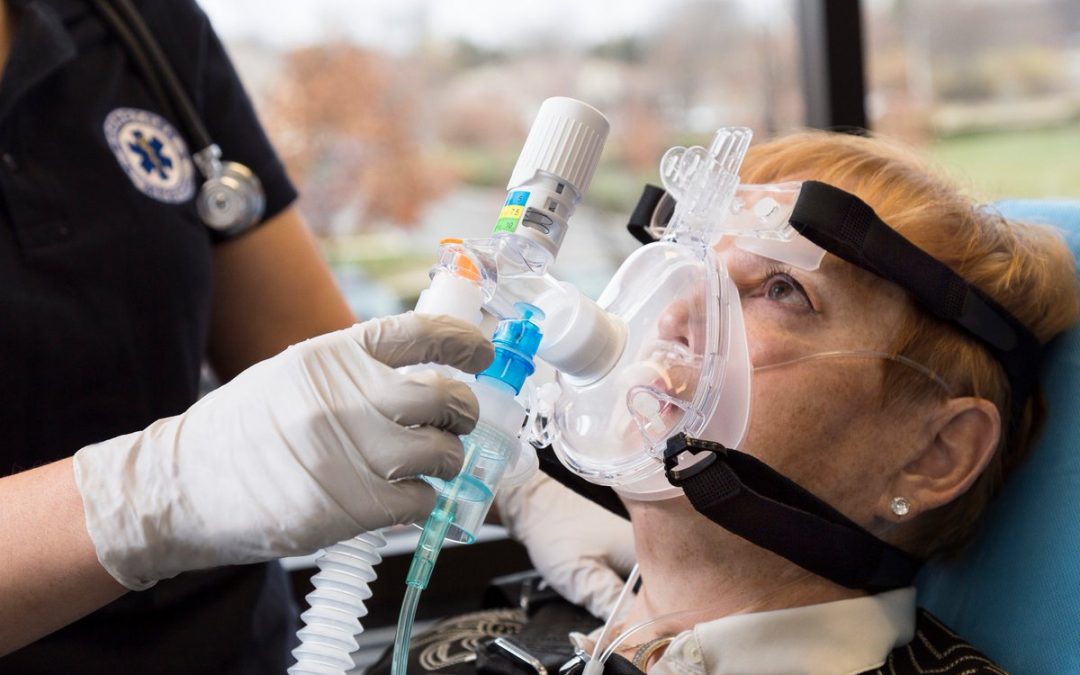
A Modern Approach to Basic Airway Management
By Andrew Merelman, BS, NRP, FP-C , Richard Levitan, MD, FACEP
You arrive on scene and find a 68-year-old man is lying on the couch with difficulty breathing. He’s obese and obtunded, with severe respiratory distress. His wife tells you he has a history of congestive heart failure. He appears pale and diaphoretic, with snoring, slow, shallow breaths and his initial oxygen saturation is 72%. What are the most important first steps in managing his airway and breathing?
Prehospital Management of Difficult Airways
By Keith Widmeier, BA, NRP, FP C
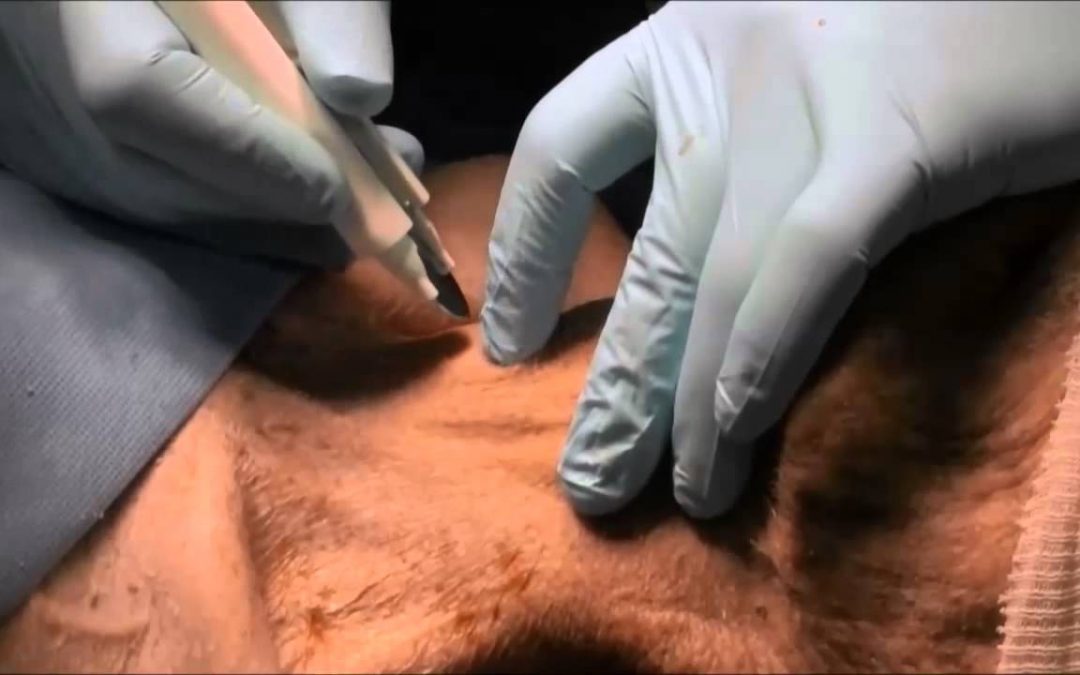
A difficult airway is one in which the EMS provider identifies potential attributes of the patient that would make it difficult to utilize a bag-valve mask (BVM), insert an extraglottic airway, perform a laryngoscopy, and/or perform surgical airway interventions. It’s the ability to appropriately assess the patient’s airway that allows providers to predict which will be difficult, optimize their first attempt and ensure the highest likelihood of success when managing a patient’s airway. Thorough airway assessments help drive your clinical decision-making and help determine the tools you choose to wield when managing a particular airway.
It’s About Paramedic Intubation Skill Maintenance, Not ETI vs. SGA
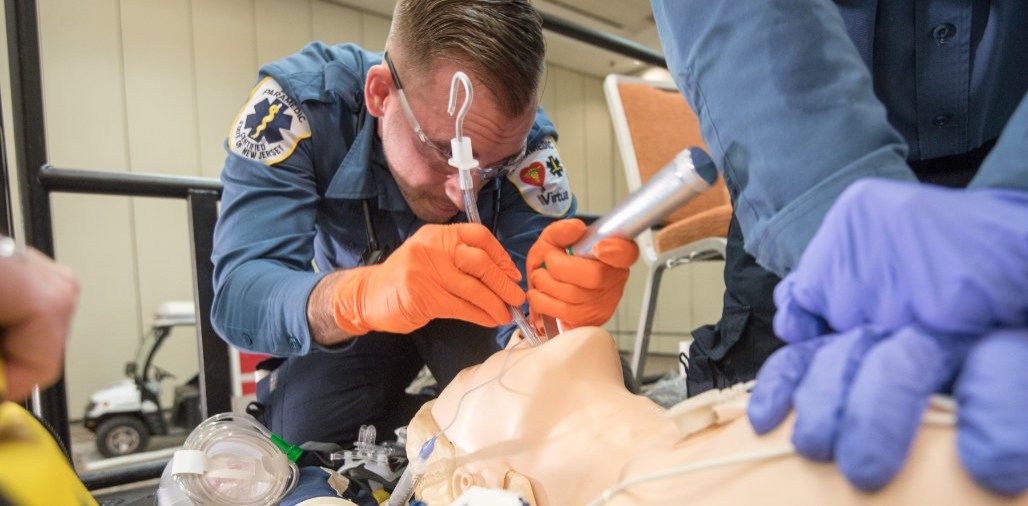
On Aug. 30, 2018, the authors of the Pragmatic Airway Resuscitation Trial (PART) published “ETI vs. SGA: The Verdict is In” in JEMS—a review of the findings of their study which compares a supraglottic airway, specifically the King airway, with endotracheal intubation.
How to Treat Shortness of Breath
By Jeremy Brywczynski, MD
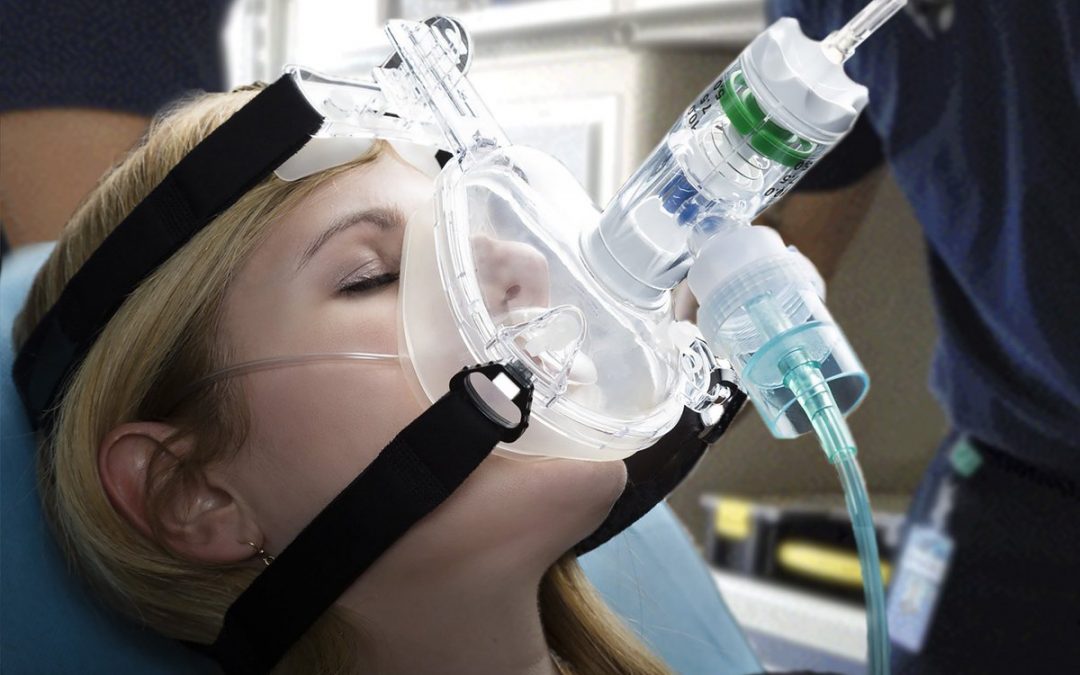
A 9-1-1 call is received for a 68-year-old male with breathing problems. Upon arrival, the crew finds the patient confused but able to speak in short phrases. Initial vital signs are: BP 148/89, pulse 110 sinus rhythm, respiratory rate 28 and labored, O2 saturation 84% on room air and a fingerstick glucose of 145. The patient’s oxygenation and work of breathing improve markedly with 100% O2 by non-rebreather face mask. Physical examination is remarkable for increased work of breathing with rhonchi found bilaterally at the lung bases (worse on the left). No wheezing is present.

Recent Comments