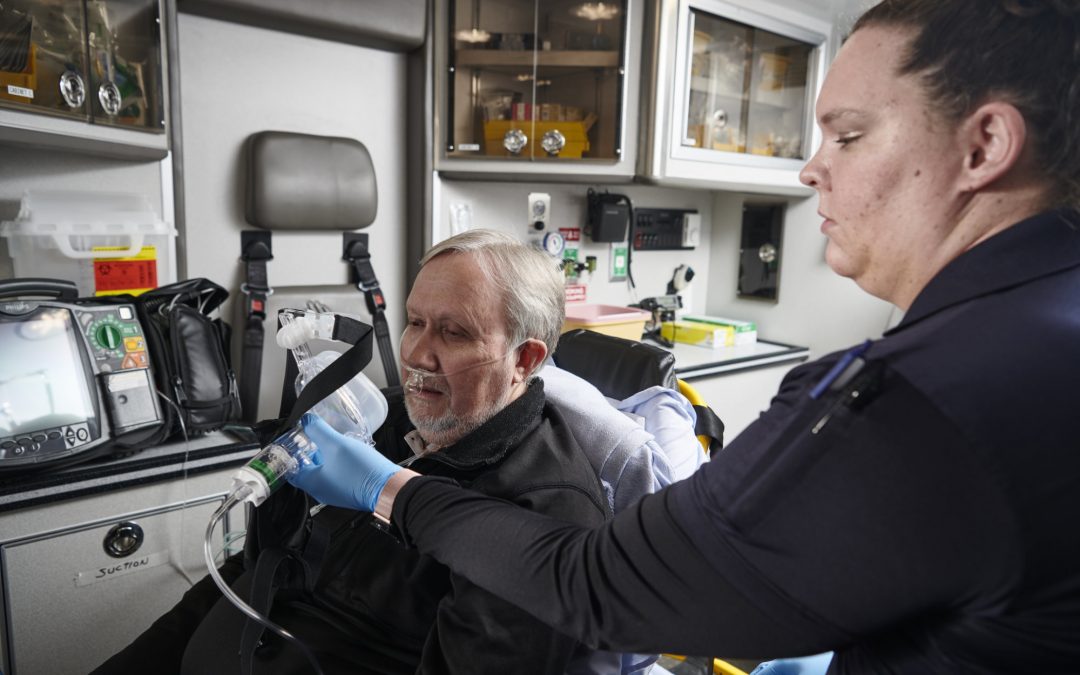
An Argument for BLS CPAP
Barriers to CPAP adoption by BLS providers are finally falling, and BLS use of CPAP is now supported by the 2019 National EMS Scope of Practice Model.

Barriers to CPAP adoption by BLS providers are finally falling, and BLS use of CPAP is now supported by the 2019 National EMS Scope of Practice Model.
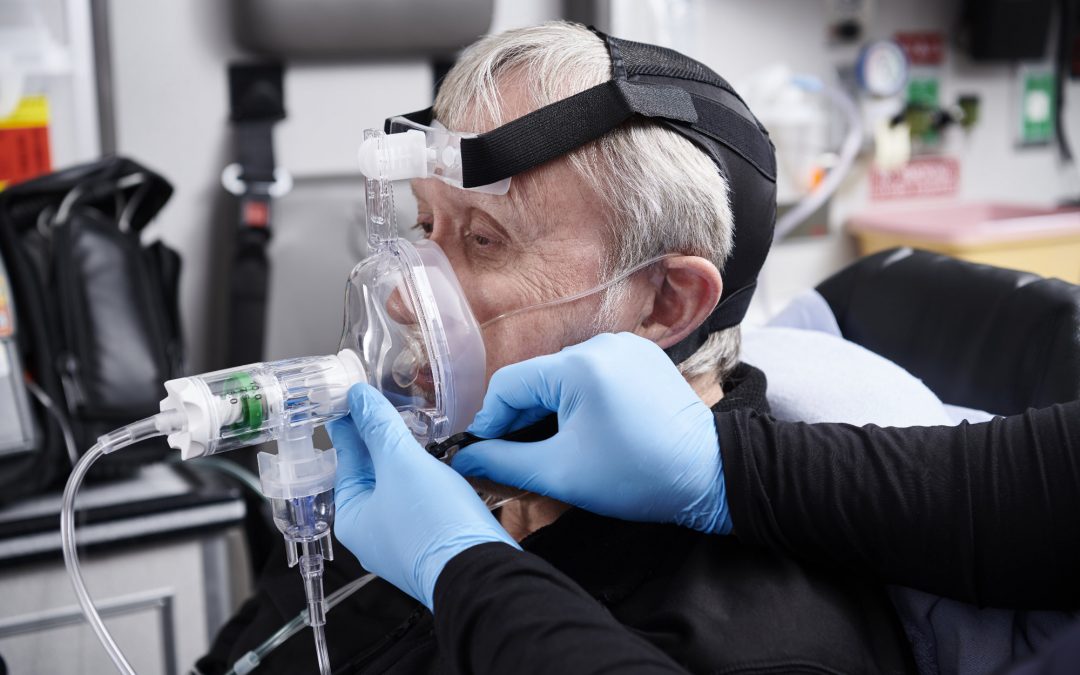
Although originally intended to treat prehospital patients in pulmonary edema resulting from heart failure, CPAP is now indicated for virtually any condition resulting in significant dyspnea accompanied by signs and symptoms of increased work of breathing.
There has been much debate over which type of neuromuscular blockade should be used to paralyze patients during RSI. A recent JEMS article compares and contrasts two of the more popular drugs used for RSI.
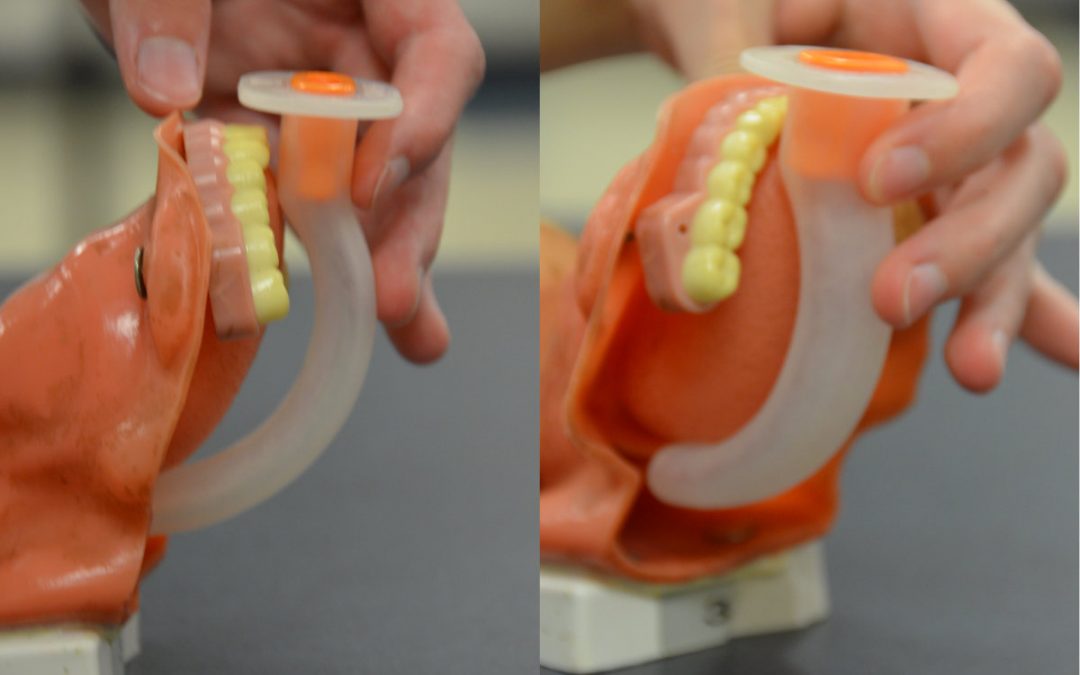
Learn the history of the oropharyngeal airway (OPA) and review how to size the OPA for the patient, as well as the correct way to insert this basic, and effective, airway adjunct.
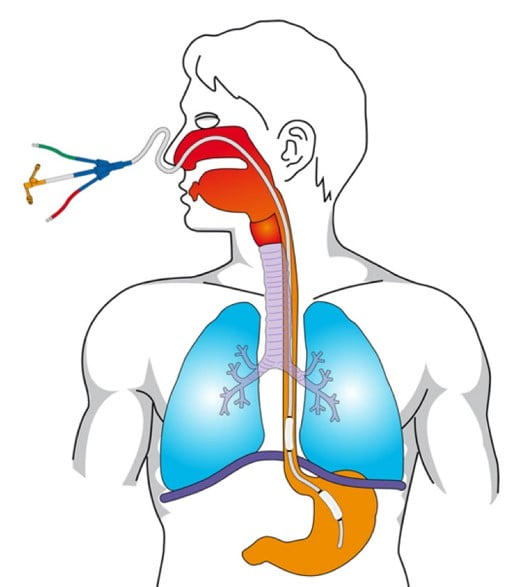
Shortness of breath, or dyspnea, results from air hunger, a sensation that you’re not getting enough air. Here’s how to spot a patient with increased work of breathing, an important assessment for an EMS provider evaluating a patient with dyspnea.
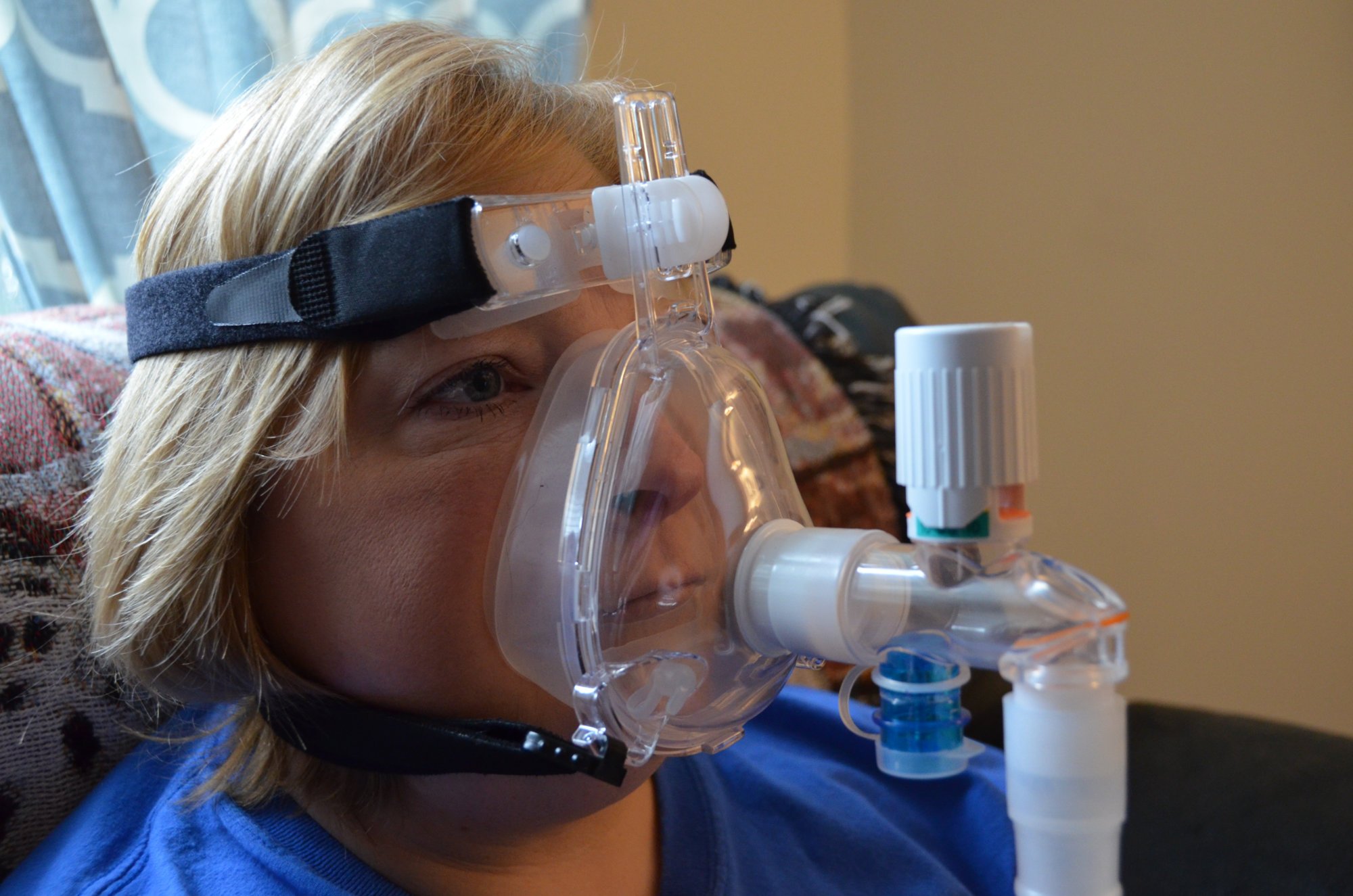
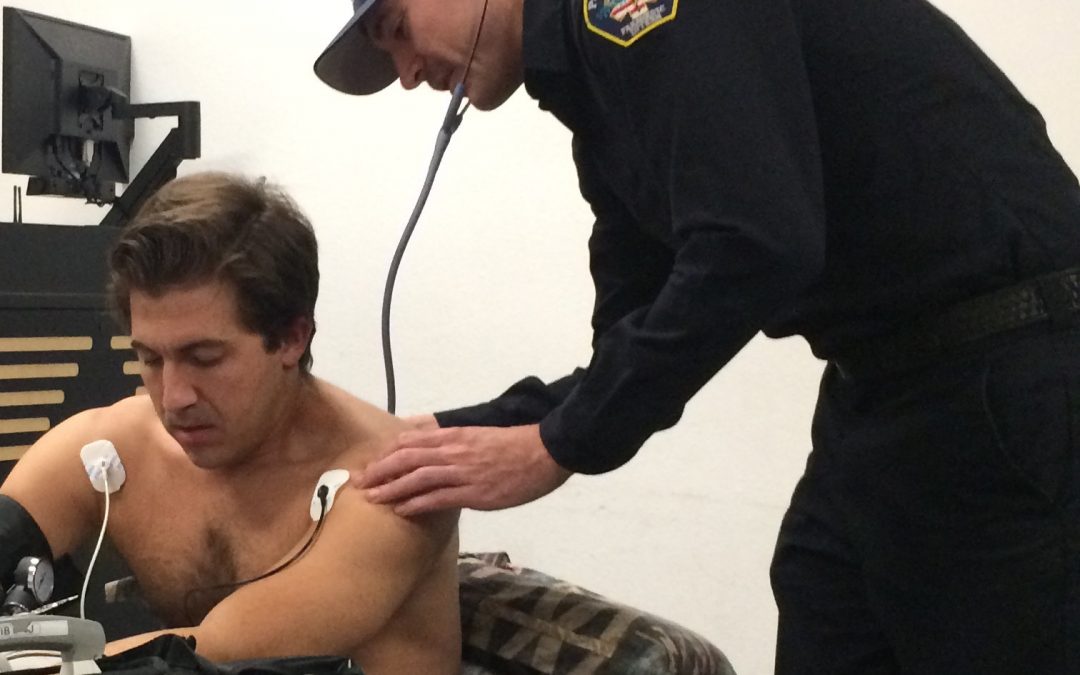
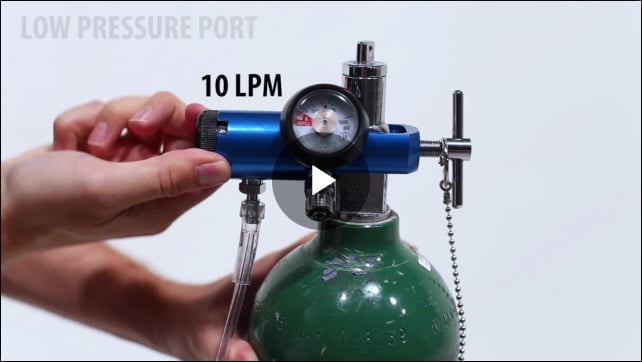
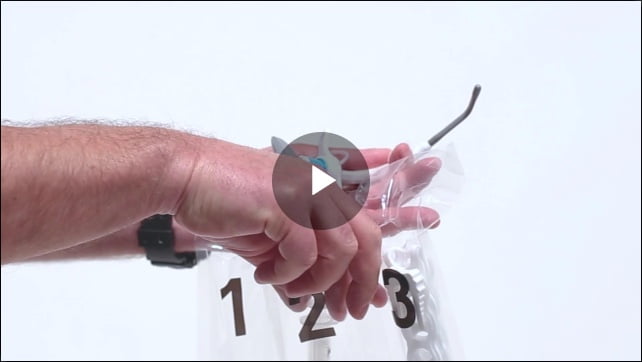
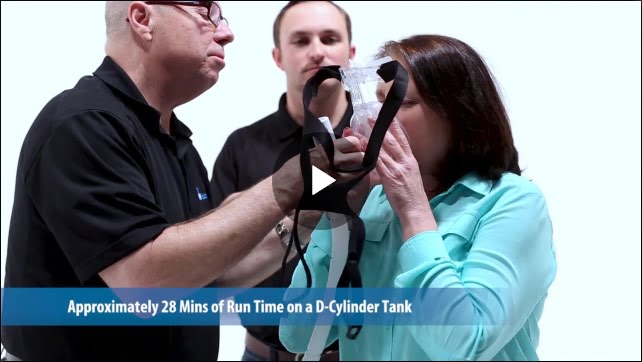
The GO-PAP is a disposable emergency CPAP device, that runs off of the barbed valve outlet on an O2 source. It operates at 10LPM and like our O2-MAX™

Recent Comments