
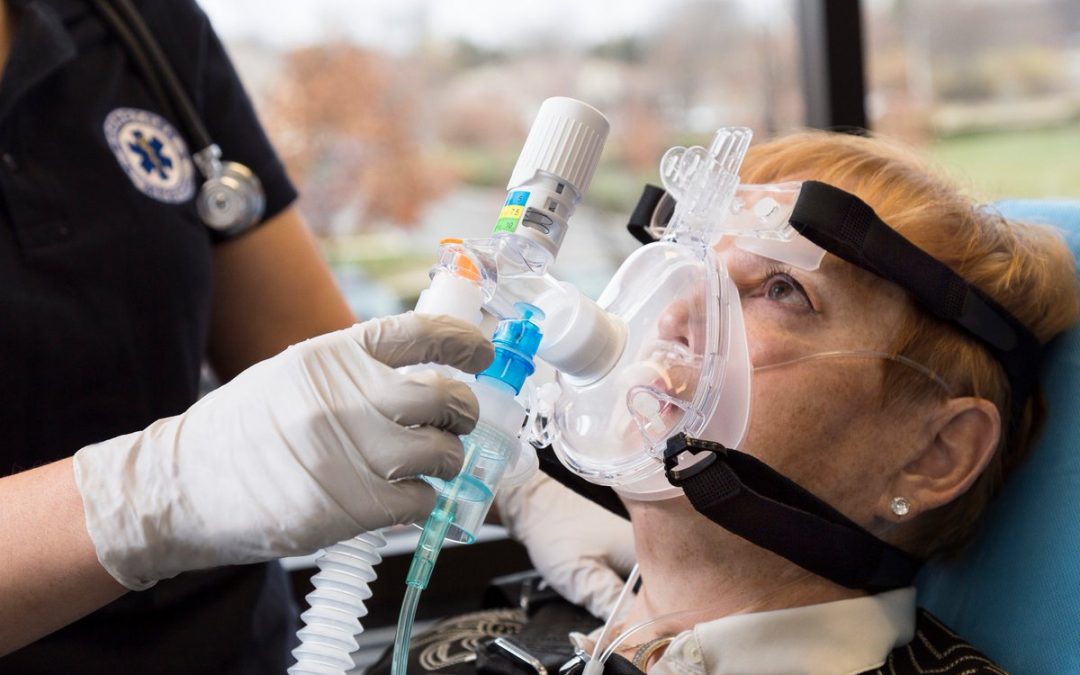
A Modern Approach to Basic Airway Management
By Andrew Merelman, BS, NRP, FP-C , Richard Levitan, MD, FACEP
You arrive on scene and find a 68-year-old man is lying on the couch with difficulty breathing. He’s obese and obtunded, with severe respiratory distress. His wife tells you he has a history of congestive heart failure. He appears pale and diaphoretic, with snoring, slow, shallow breaths and his initial oxygen saturation is 72%. What are the most important first steps in managing his airway and breathing?
Home
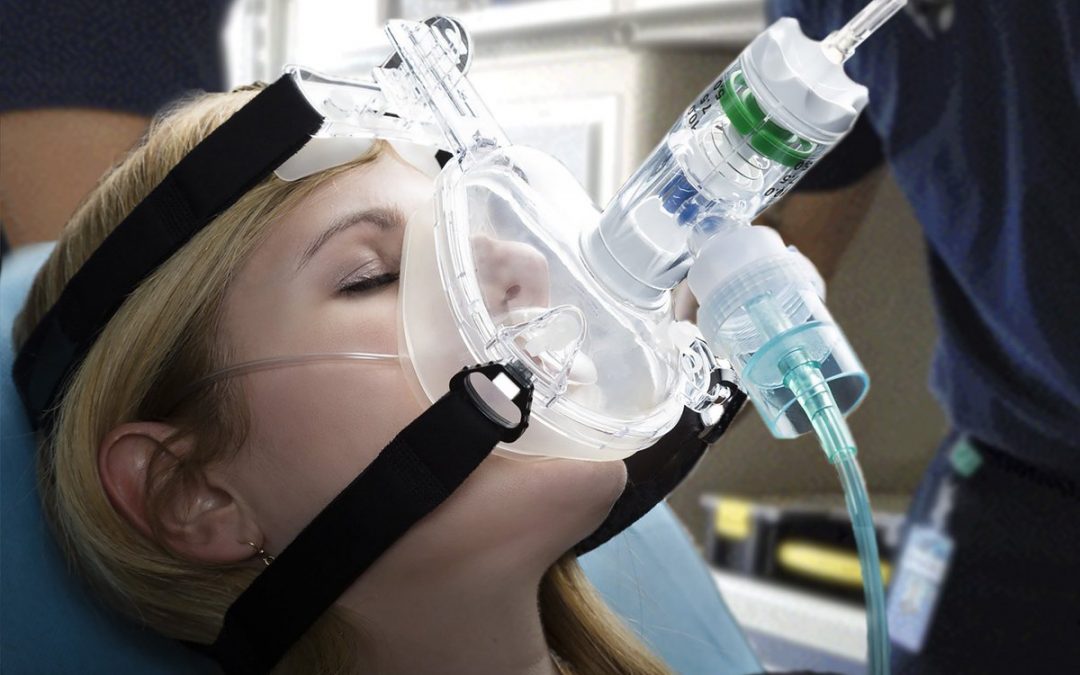
How to Treat Shortness of Breath
By Jeremy Brywczynski, MD
A 9-1-1 call is received for a 68-year-old male with breathing problems. Upon arrival, the crew finds the patient confused but able to speak in short phrases. Initial vital signs are: BP 148/89, pulse 110 sinus rhythm, respiratory rate 28 and labored, O2 saturation 84% on room air and a fingerstick glucose of 145. The patient’s oxygenation and work of breathing improve markedly with 100% O2 by non-rebreather face mask. Physical examination is remarkable for increased work of breathing with rhonchi found bilaterally at the lung bases (worse on the left). No wheezing is present.

Recent Comments